Lawsonia Inermis leaves are dehydrated and crushed to form henna.
Then transformed to thick paste by mixing water. In early era the Henna paste was used to treat diseases related to the blood circulation and different pains.
At present, Henna has got a completely different usage and significance.
Nowadays, Henna is used for beautifying hands, legs and dyeing of hairs all across the world and mostly in Indian Subcontinent. Plastic or paper cones are used for beautifying hands and feet. Mehndi/Henna has been adopted by Euro-American society in form of exotic creations of body art/henna tattoos at carnivals, festivals and fun fairs.
In Eastern wedding mehndi is an essential and most charmed custom.
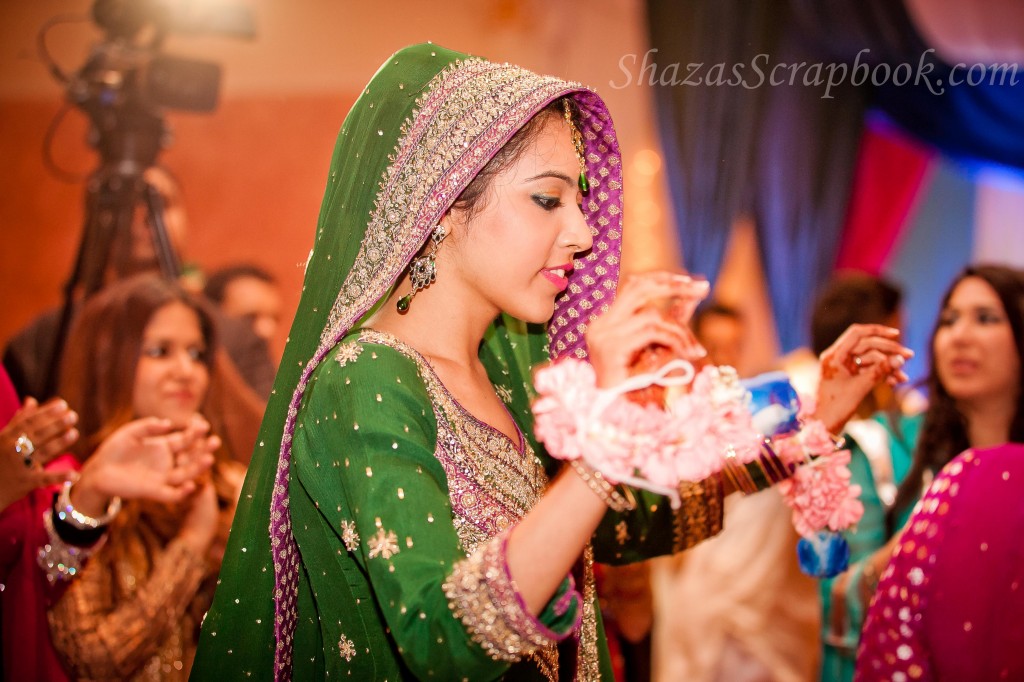
The ‘Mehndi Ceremony’ or more specifically “Mehndi ki raat” is one of the most thrilled and splendid pre-wedding events.
To make this event more vibrant, bride’s maids and relative girls wear dazzling dresses in yellow, green and hot pink colours.
The Mehndi ceremony is usually organized in two separate events or one grand event by the families of bride and groom.
.jpg)
Mother in law and senior married women of family applies mehndi to bride’s and groom’s palm casually covered by a leaf of currency note. Later on a professional mehndi artist creates glorious mehndi designs on palms, arms, feet and legs of the bride-to-be.
Some well-liked philosophy is that the darker the mehndi design, the more brides’ in-laws and precisely,
the husband, will love her and a darker design signifies the power of love, devotion, dedication in the marriage.
It is also a fun tradition that if an unmarried girl gets a slap from bride-to-be; she will get a suitable match soon.

.jpg)






.jpg)


.jpg)